 By vistavogue3@gmail.com
Ford Ranger Long Travel Suspension Guide & Upgrades
The Ford Ranger long travel suspension setup is gaining popularity among off-road enthusiasts and performance tuners alike. With rugged terrain capabilities and enhanced wheel articulation, it’s becoming an essential upgrade for desert racing and overlanding. This guide provides a comprehensive overview of what long travel means, how to implement it, and the future of this powerful off-road enhancement.
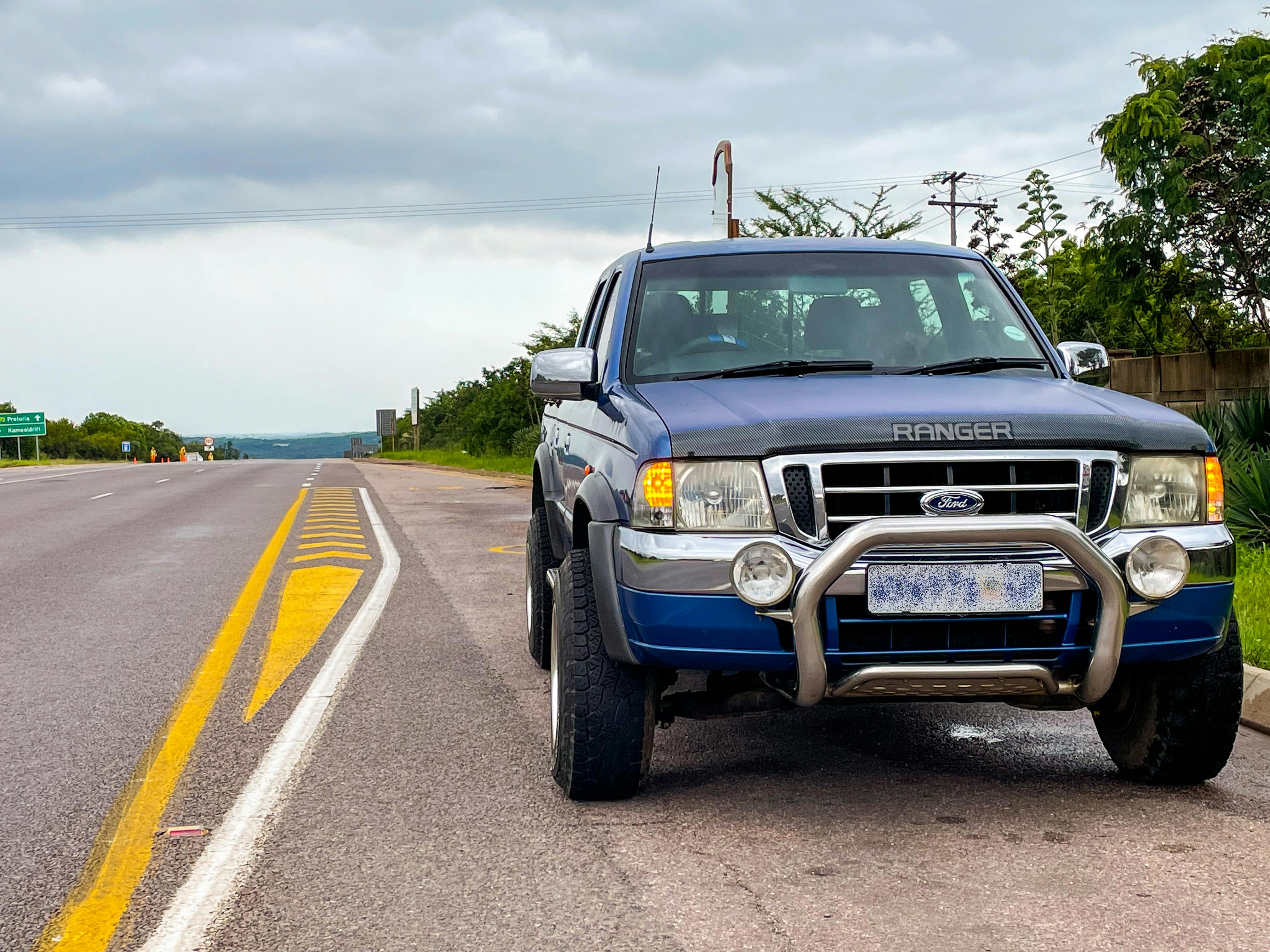
Understanding the Fundamentals
The concept of a long travel suspension system is centered around extending the amount of vertical movement a vehicle’s wheels can make. In the context of the Ford Ranger long travel setup, this means enhanced clearance, better stability, and superior off-road handling. This improvement goes far beyond aesthetics—it’s about functionality and performance.
Historically, long travel systems evolved from Baja desert racing setups where absorbing high-speed impacts was critical. Now, hobbyists and weekend adventurers are bringing this same technology to their personal Ford Rangers for trail use and beyond.
1.1 What Is Long Travel Suspension?
Long travel suspension refers to a system that allows for greater wheel articulation. This is typically achieved using extended control arms, wider track width, and custom shocks. The Ford Ranger long travel build can often add 12-14 inches of travel, compared to the factory’s 6-8 inches.
Applications include rock crawling, dune running, and fast desert driving. Many believe it’s only for racing, but everyday off-roaders benefit from the increased control and comfort over rough terrain.
1.2 Why Long Travel is a Game-Changer
Compared to a simple lift kit, a long travel suspension doesn’t just increase height—it changes the geometry and capabilities of your entire vehicle. With components like extended CV axles and boxed control arms, it transforms a standard 4×4 Ford Ranger into a trail monster.
The investment pays off for those who demand performance, as the upgrades allow for faster speeds over obstacles and more forgiving landings from jumps or drops.
Practical Implementation Guide
Turning your Ford Ranger into a capable long travel rig requires planning, investment, and technical understanding. This section breaks down the process step-by-step and prepares you for what lies ahead.

2.1 Actionable Steps
- Assessment: Determine the off-road goals for your Ford Ranger. Will it be used for desert runs, rock crawling, or all-terrain overlanding?
- Component Selection: Choose a long travel suspension kit compatible with your Ranger model. Recommended kits include extended control arms, performance coilovers, limit straps, and optional bump stops.
- Installation Timeline: Most professional installs take 2-4 days. DIY projects may extend to 1-2 weeks depending on skill level and tool availability.
2.2 Overcoming Challenges
Common issues during installation include:
- Misalignment of control arms
- Brake line length inadequacy
- Clearance issues with factory wheels
- Incompatibility with sway bar systems
To mitigate these, consider using high-quality aftermarket solutions designed specifically for the Ford Ranger long travel ecosystem. Always double-check part compatibility and torque specs. A vehicle alignment is mandatory post-installation.
Advanced Applications
Once your initial long travel setup is installed and tested, you can start exploring advanced upgrades. These modifications unlock even greater potential for your Ford Ranger’s performance on challenging terrain.
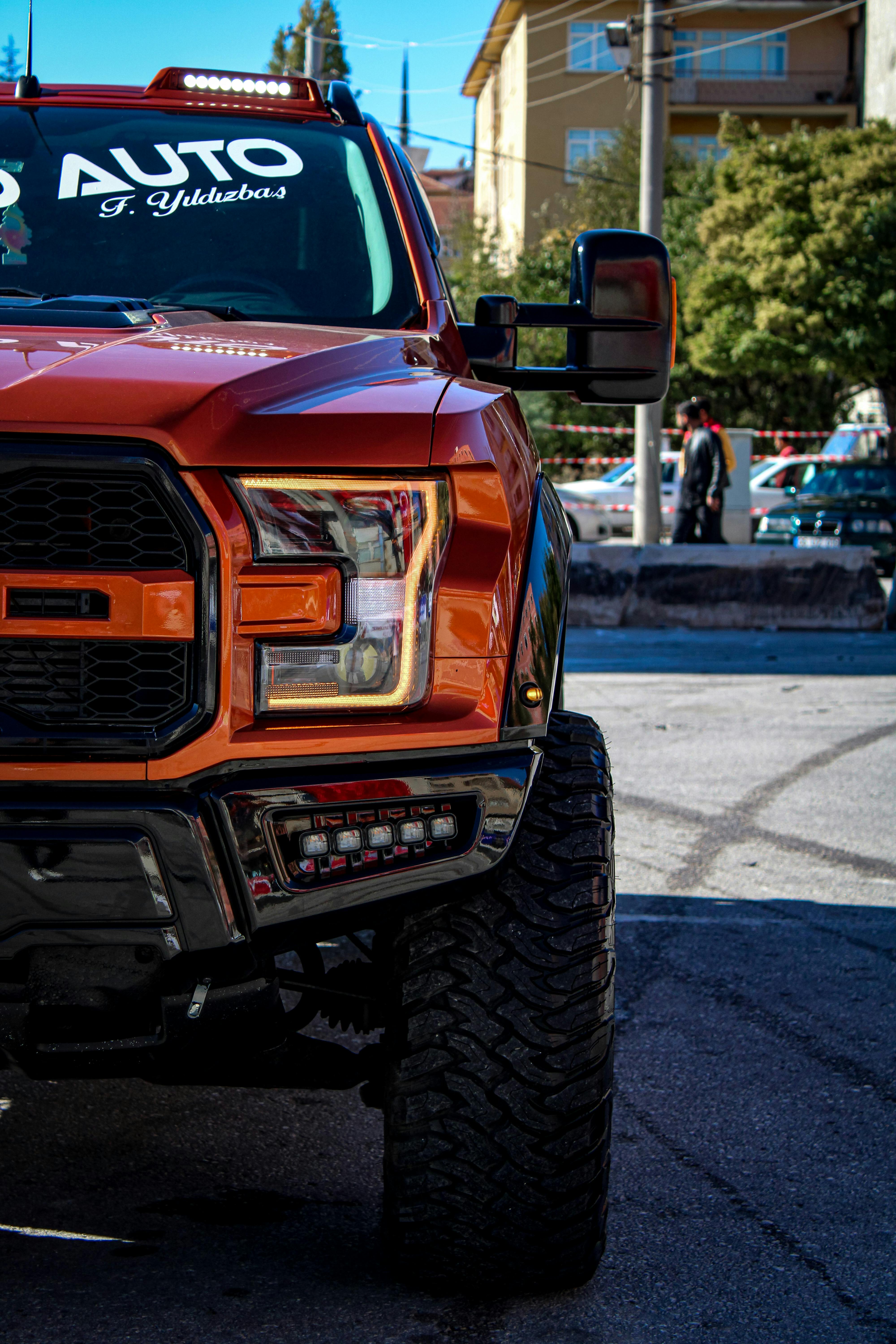
3.1 Hydraulic Bump Stops & Bypass Shocks
Hydraulic bump stops absorb heavy impacts that standard rubber stops can’t handle. When paired with 3-tube bypass shocks, your Ford Ranger long travel setup becomes desert-race ready. These advanced components fine-tune damping across compression and rebound zones.
Drivers report up to 40% better impact absorption, improved control during jumps, and less fatigue over long drives in rough terrain.
3.2 Reinforced Frame and Bed Cage Integration
High-impact off-roading stresses your Ranger’s frame. Reinforcement via gussets and weld-on supports improves chassis rigidity. Adding a bed cage allows mounting of shocks, spare tires, or roof-top tents—all while distributing weight efficiently.
Integration must be done with engineering in mind—especially for load distribution and center of gravity. Always verify that additions are compatible with your existing long travel kit.
Future Outlook
The future of Ford Ranger long travel systems is bright, with newer materials like chromoly tubing and aluminum components reducing weight while enhancing strength. Companies are integrating smarter electronic damping systems for adaptive off-road control.
Expect the next 3-5 years to bring semi-active suspension options, factory-ready long travel trims, and greater modularity. Staying informed and connected with the off-road community ensures you’re prepared to evolve with the industry.
Conclusion
To recap, the Ford Ranger long travel suspension is an excellent investment for those seeking improved off-road performance, safety, and comfort. From understanding the basics to implementing advanced upgrades, this guide has laid the groundwork for your journey.
Now is the time to plan your build, budget wisely, and unleash your Ranger’s true potential. Explore your terrain with confidence and take your off-road experiences to the next level.
Frequently Asked Questions
- Q: What is a long travel suspension system? It’s a suspension upgrade that increases wheel travel for better off-road performance, especially in rugged terrains.
- Q: How do I get started with a Ford Ranger long travel build? Begin by identifying your off-road goals and choosing a reputable suspension kit with all necessary components.
- Q: How long does installation take? Professional installations typically take 2-4 days. DIY efforts can extend to 1-2 weeks depending on experience.
- Q: How much does a long travel system cost? Costs range from $3,000 to $10,000+ depending on parts, labor, and advanced features like bypass shocks or bump stops.
- Q: Is long travel better than a simple lift? Yes, long travel offers superior performance, articulation, and safety compared to standard lift kits.
- Q: Is this upgrade suitable for beginners? Basic long travel kits can be beginner-friendly, but advanced installations require mechanical knowledge and precision.
- Q: Can long travel systems be used for overlanding? Absolutely. Many overlanders use long travel setups for added comfort and reliability on extended journeys.