 By vistavogue3@gmail.com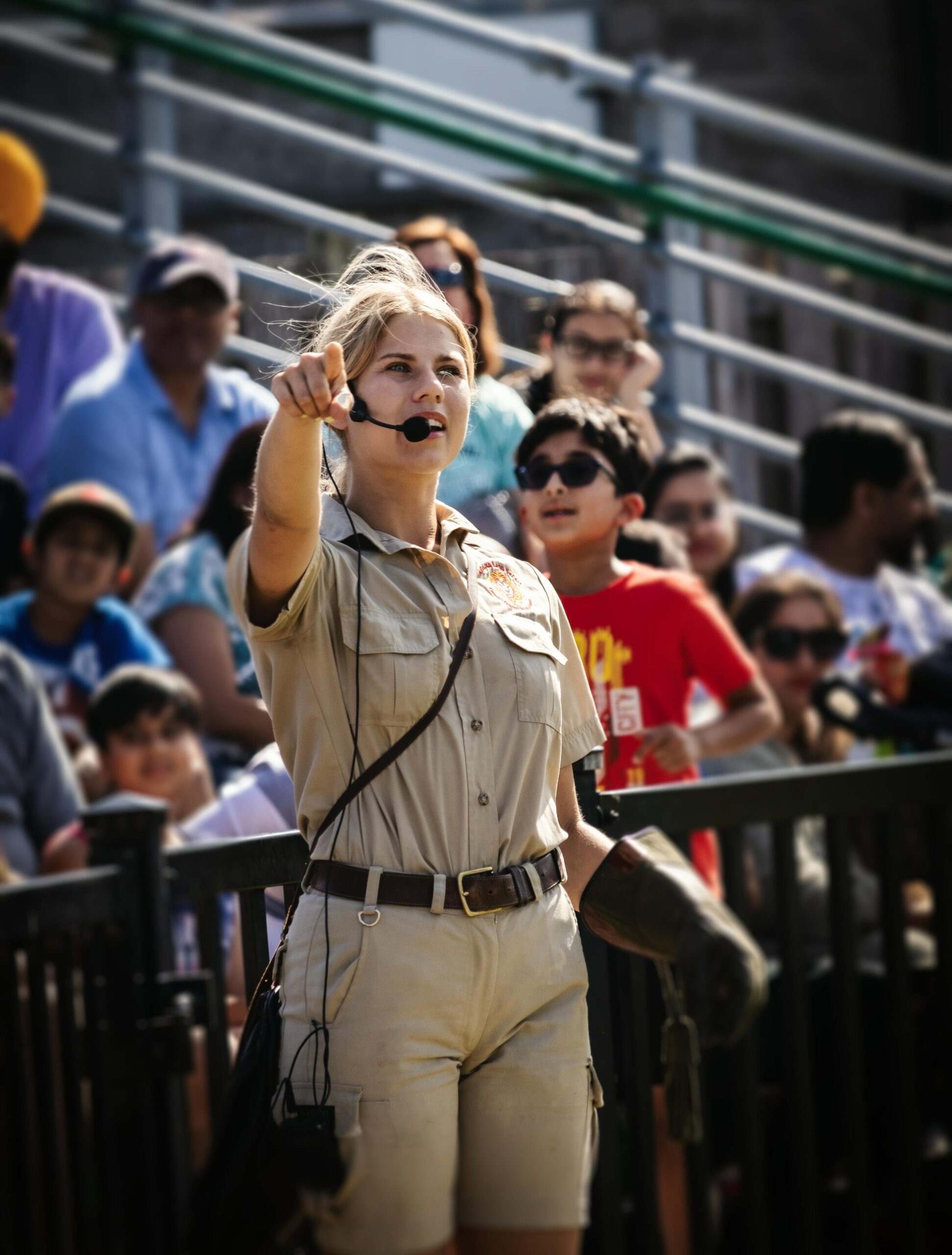
Choosing the Best Tour Guide Microphone and Speaker
Communication can make or break a great tour experience. In bustling cities or vast historical sites, having the best tour guide microphone and speaker system ensures every word is heard clearly. This article walks you through everything you need to know—from basics to advanced usage—so you can confidently choose the right equipment for your tours.
Understanding the Fundamentals
At its core, a tour guide microphone and speaker system enhances communication between guides and their audience. These systems are crucial for maintaining attention, conveying facts, and ensuring safety in noisy or expansive environments.
Originally bulky and wired, modern systems are now compact, wireless, and user-friendly, offering mobility and clarity. This evolution helps make each tour more professional and engaging.
1.1 Purpose of Tour Guide Audio Systems
Tour audio systems are designed to project the guide’s voice clearly across varying distances and environments. Whether walking through a crowded museum or leading a hiking group, these tools keep everyone connected.
Common applications include walking tours, factory visits, educational trips, and even church group travel—any situation where clear group communication is essential.
1.2 Key Components and How They Work
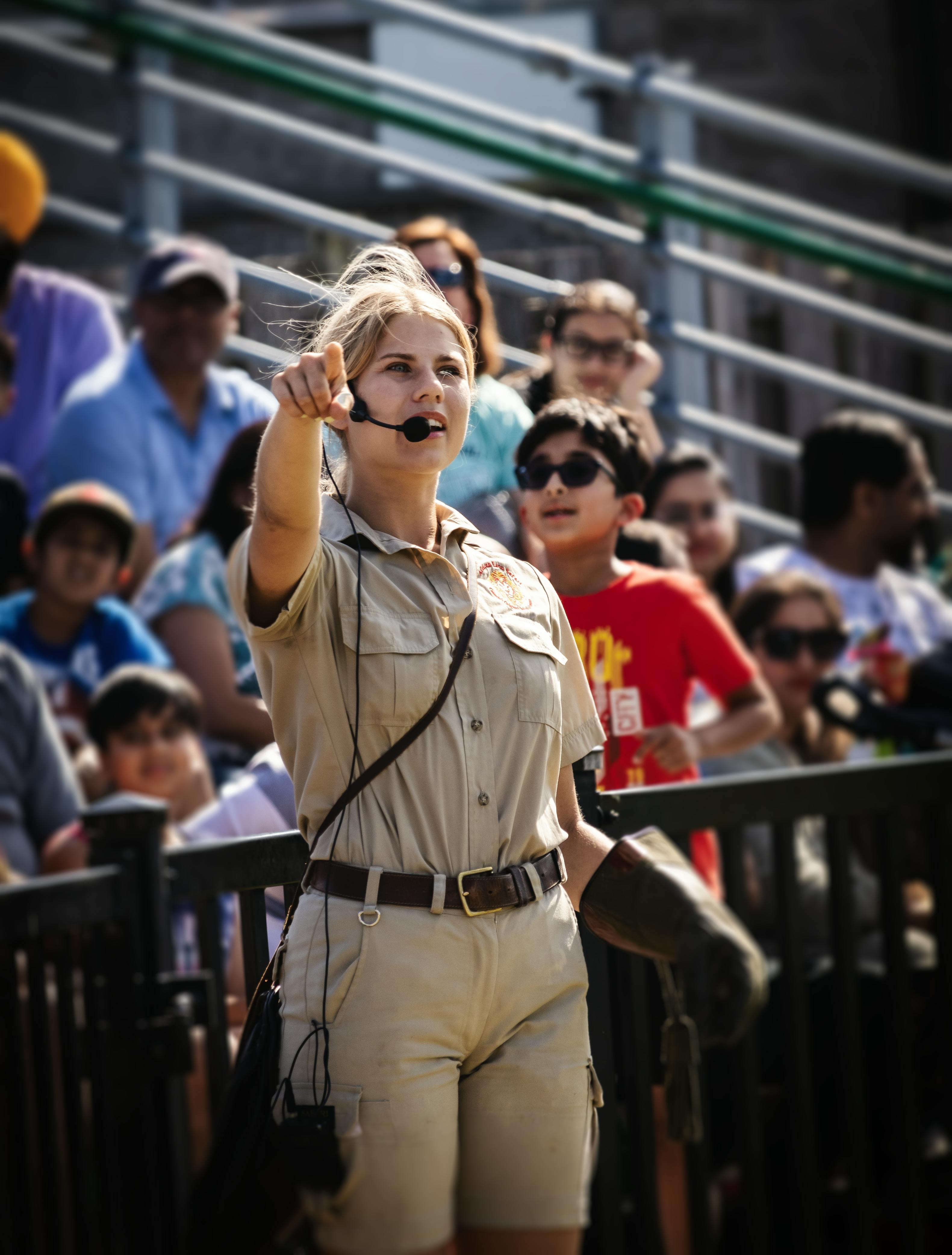
Most systems include a wireless microphone (headset or lapel), a transmitter, and a speaker or receiver. Some include earbuds for participants, allowing one-way communication with minimal disruption.
This setup eliminates shouting, saves vocal strain, and ensures even those at the back hear everything. Wireless connectivity typically ranges from 100 to 300 feet, depending on the model.
Practical Implementation Guide
Understanding is only the first step. Implementing the best tour guide microphone and speaker system correctly ensures smooth tours and satisfied participants.

2.1 Actionable Steps
- Assess Your Tour Environment: Determine noise levels, group size, and mobility needs.
- Choose the Right Equipment: Prioritize battery life, wireless range, audio clarity, and portability.
- Set Up and Test: Always do a dry run. Check mic levels, interference issues, and speaker clarity.
2.2 Overcoming Challenges
Guides often encounter interference, mic feedback, or battery issues. Here’s how to manage:
- Interference: Opt for UHF systems to reduce channel overlap.
- Battery Failures: Keep extra batteries or use rechargeable models with power indicators.
- Mic Positioning: Place headset near the mouth but off to the side to avoid breath noise.
Pro tips include taping cords, marking volume dials, and practicing hands-free operation to ensure seamless tours.
Advanced Applications
Once you’re comfortable with basic use, the best tour guide microphone and speaker systems offer advanced capabilities for larger or specialty tours.
3.1 Group Synchronization and Multiple Channels
High-end models allow multiple guides to speak across different channels—ideal for multilingual or segmented tours. Some systems even enable two-way communication for Q&A sessions.
In a case study, a European castle tour increased engagement by 40% after switching to dual-channel systems with noise-canceling mics.
3.2 Integration with Mobile and Translation Tools
Smart systems now integrate with mobile apps or offer built-in language translation. These are valuable in tourist-heavy cities with international visitors.
Ensure device compatibility with smartphones or tablets, and test pairing stability before live use. Cloud-based backups and remote monitoring are becoming standard.
Future Outlook
The market for tour guide microphones and speaker systems is projected to grow as tourism rebounds and experiences become more tech-driven. Expect AI-assisted audio, auto-translation, and real-time analytics in future models.
To stay ahead, guides should keep an eye on updates in wearable tech and smart audio systems. Continuous learning and upgrading gear will remain crucial for top-tier tour experiences.
Conclusion
To summarize, choosing the best tour guide microphone and speaker involves understanding your tour environment, selecting the right features, and staying up-to-date with technology. Proper setup and advanced features can transform your tours entirely.
Ready to enhance your group communication? Start by evaluating your current equipment and exploring new options with greater capability. The right system is not just a tool—it’s an investment in better storytelling and guest satisfaction.
Frequently Asked Questions
- Q: What is the best tour guide microphone and speaker for beginners? Look for a wireless system with a headset mic and built-in speaker like a portable PA unit. It’s easy to use and budget-friendly.
- Q: How do I start using one for my tours? Begin by identifying your group size and environment, then test several systems before choosing. Many suppliers offer demos.
- Q: How much time does it take to set up? Initial setup may take 15–30 minutes, but with practice, it’s down to under 5 minutes.
- Q: What’s the typical cost? Systems range from $50 for basic models to over $500 for professional-grade multi-channel kits. Factors include range, quality, and accessories.
- Q: How does it compare to shouting or using a megaphone? Microphone and speaker systems are clearer, safer for your voice, and more professional. Megaphones can be harsh and less immersive.
- Q: Is it hard to learn how to use? Not at all. Most systems are plug-and-play with simple controls. A quick manual read and 10-minute test is usually enough.
- Q: Can it be used for niche tours like underwater or bike rides? Yes, specialized waterproof or helmet-mounted systems exist. These offer tailored audio without compromising mobility or safety.